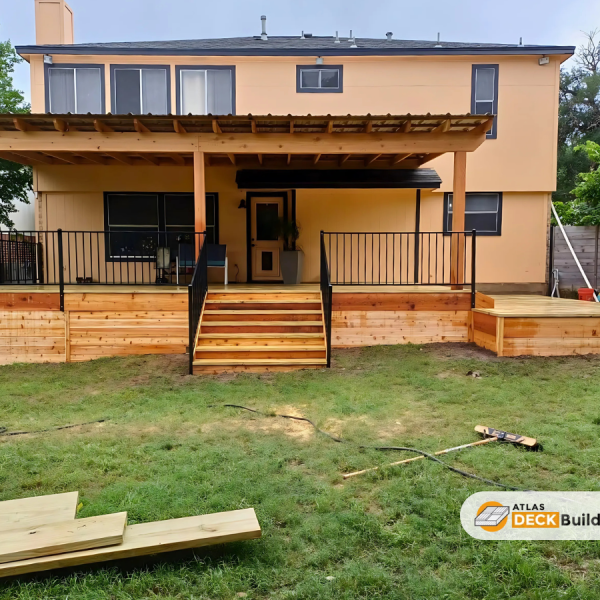
Deck Repair in Austin That Starts With a Diagnosis
Deck repair in Austin should start under the deck, not on top of it. We diagnose the frame, footings and fasteners first, tell you plainly whether repair or replacement makes sense, and fix what’s actually wrong.
Request Free Quote

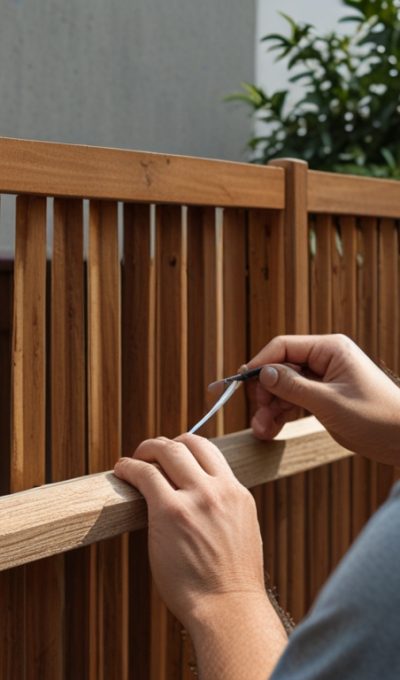
First, We Find Out What's Wrong
A wobbly rail or a soft board is a symptom. The cause lives in the framing, the footings or the fasteners, and that’s where we look first, because replacing a surface board over a rotting joist just hides the problem for a season. Request a repair estimate and the first visit includes eyes on the structure, not just the part you can see from the kitchen window. Diagnosis is the cheapest part of any repair, and it’s the part that keeps the rest of the invoice honest.
When a deck’s age or condition warrants the full treatment, a formal deck inspection documents everything at once: structure, connections, rail strength, board condition. It’s the right move before buying a house with a deck, or when you just want the whole picture instead of piecemeal fixes. If the deck passes clean, you’ll hear that too, in writing, which is worth more at a home sale than you’d think.
A diagnosis visit doesn’t take long. Under an hour for most decks: framing and footings from below, connections and flashing at the house, rails and stairs by hand, boards by eye and by probe where something looks soft. You get the findings the same day, in plain language, with photos attached to each one.
The Problems Austin Decks Get
The same climate that makes decks worth having here is what wears them out. Rot shows up where posts meet soil and where water sits at connections. Heat cycles back fasteners out of boards a little more every summer. UV makes surface fibers brittle enough to splinter. Rails loosen at the base long before they look loose. And spring storms find every weak connection a deck’s been hiding. We see all five on a normal week’s schedule, and none of them improves by waiting.
The connection between deck and house deserves its own mention. The ledger board carries half of an attached deck, and when its flashing fails, water works on the house and the deck at the same time, quietly. It’s the first thing we photograph on an attached-deck diagnosis and the repair we take most seriously, because it’s the one with a house on the other side of it.
None of this means an Austin deck is doomed. Most of it is caught cheap if it’s caught early, which is half our argument for the maintenance side of this business. Wood decks in particular reward an owner who pays attention every couple of years. A deck that gets looked at every spring almost never surprises its owner, and the ones that do surprise people are nearly always the ones nobody’s crawled under in a decade.

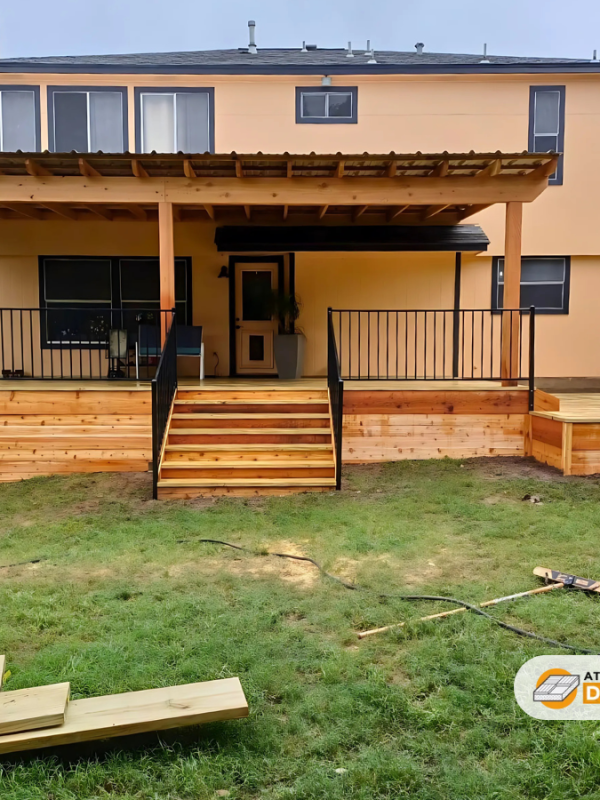
The Repairs We Do Most
Surface work is the everyday call: replacing cracked or rotted deck boards, rebuilding worn stair treads, re-securing boards that heat cycles have loosened, and refastening where nails have backed out in favor of screws that won’t. These are usually one-day visits, priced after we’ve confirmed the frame underneath is worth fastening to. If the frame fails that check, we stop and talk before spending your money on boards that would sit on a bad foundation.
Structural work is the call that matters most: sistering or replacing damaged joists, rebuilding post bases that have rotted at the soil line, repairing beams, and re-flashing or re-bolting ledger connections. This is the category where doing it right is the whole point, because everything above it depends on it.
Rails and stairs get their own attention because they’re where safety lives. Re-anchoring rail posts that move at the base, tightening or rebuilding balusters, and fixing stair stringers that have pulled or cracked. A rail should take a hard lean from an adult without a wiggle, and that’s the standard we fix to.
Hardware is its own quiet category. A lot of older Austin decks were built with connections that were common twenty years ago and wouldn’t be chosen today: undersized fasteners at the ledger, posts resting on soil instead of standoff bases, joist hangers missing where they should be obvious. When we’re already repairing nearby, upgrading those connections is cheap insurance, and we’ll flag them even when they’re not what you called about.
Repair or Replace: How We Make the Call
This is the question under every repair visit, and we answer it with numbers and photos instead of a sales pitch. If the frame is sound and the damage is localized, a repair can buy you five or more good years, and we’ll say so. If rot has reached the structure or the footings have moved, repairs become a subscription, and honest math points to deck replacement.
Age changes the math too. A fifteen-year-old deck with one bad section is usually worth fixing. A twenty-five-year-old deck with the same problem deserves a harder look, because its siblings are coming due, and three separate repair visits over four years cost more than facing the whole question once. We’ll tell you which curve your deck is on. Either way you get the reasoning in writing, so the decision holds up when you revisit it later.
Sometimes the answer is between: keep the frame, replace the surface. And occasionally the yard has changed enough since the original build that a fresh deck installation designed for how you live now beats resurrecting a layout that never quite worked. We’ll lay the options side by side and let you choose with the facts in front of you.
What a Repair Visit Looks Like
We show you what we found, in photos you can look at from the ground, before any work starts. Then a written scope with the fix, the materials and the price. New boards go in matched to your decking’s dimensions and species where possible; they’ll read lighter than the weathered wood at first and blend with time, and if the deck’s due anyway, pairing repairs with deck staining gets everything protected in one pass. Finished repair work shows up alongside our builds in recent deck projects, weathered-in and holding. Every repair leaves with a clear note on what to watch and when we’d want to see the deck again, so the fix stays fixed.
Most repairs are done in a day or two. We work across the metro, from Round Rock down through south Austin, and storm-damage calls get priority scheduling when weather’s been through. If you’re outside that stretch, call anyway. The metro’s not that big.
One habit worth stealing whether you hire us or not: walk your own deck each spring. Push on the rails, look at the post bases, glance at the ledger line after a hard rain. Five minutes a year catches most of what turns into our bigger invoices, and we’d genuinely rather sell you the small fix.

Frequently Asked Questions
Can a rotted deck post be repaired?
Sometimes. If rot is limited to the bottom of a post, it can often be cut back and sistered or re-set on a proper base. If it’s climbed into the post or spread to the beam it carries, replacement of that member is the honest fix. We open it up, show you the wood, and price both paths where both exist.
How do I know whether to repair or replace my deck?
The frame decides. Sound structure with surface damage points to repair. Structural rot, moved footings or widespread fastener failure point to replacement, because fixing those piecemeal costs more over three years than rebuilding once. We give you photos of your actual framing and the math for both, then you make the call.
Is my deck safe to use while I wait for repairs?
Depends entirely on what’s wrong. Loose boards and cosmetic damage, usually yes with care. A rail that moves at the base, visible post rot or a deck that bounces underfoot deserves caution and a quick look from us before the next backyard gathering. When we diagnose, we tell you plainly what’s usable meanwhile.
Do repaired boards match the old deck?
Not on day one, and anyone who promises otherwise is planning to stain over the difference. New boards matched to your species and profile start lighter, then weather toward the rest over months. A full staining after repairs evens things out faster. We set that expectation up front so the result doesn’t surprise you.
Do you handle storm damage repairs?
Yes, and those calls move to the front of the schedule after weather events. We document the damage in photos suitable for an insurance conversation, make the deck safe first, then scope the permanent fix. If a storm just came through and something looks wrong, call before the next one tests it further.
How much does deck repair in Austin cost?
It ranges too widely for a useful number here, because a few boards and a rebuilt stair section are different jobs. What we can promise is a written price after diagnosis, before work starts, with no additions you didn’t approve. The estimate visit is the fast way to a real figure for your deck.
Can you repair a deck another company built?
Yes, and a lot of our repair work is exactly that. We don’t need the original plans; the structure tells us how it was built and where it’s struggling. The only difference you’ll notice is that we document what we find before touching it, so you know the condition you started from.
Closing
If something about your deck doesn’t feel right underfoot, trust that instinct. Reach our team or call 512-900-6030 and we’ll take a look before small turns into structural.